
How to Preserve Nightlife Culture Before a Venue Closes
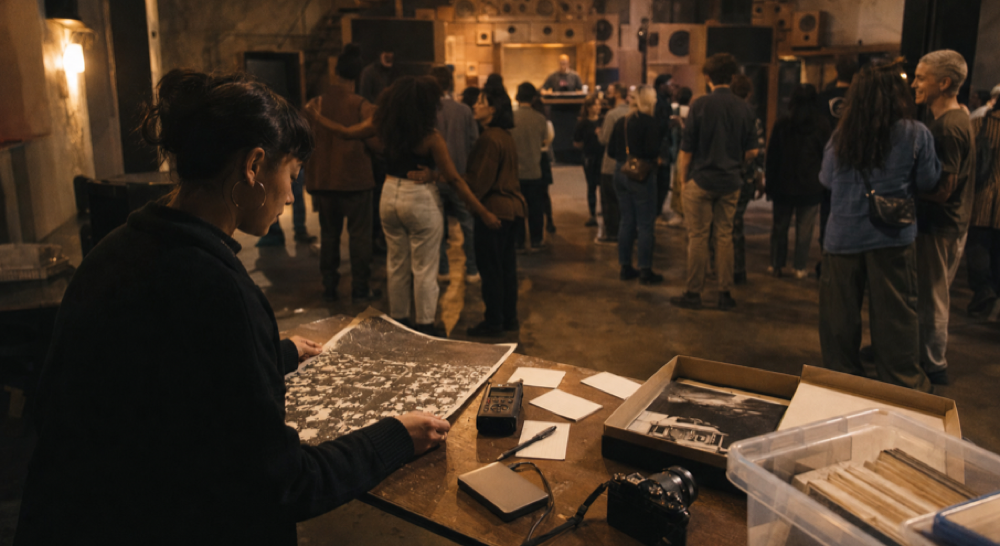
When a venue closes, the loss is larger than a room. Lineups, rituals, visual language, technical knowledge, friendships, and stories can disappear with it. A useful nightlife archive preserves those layers with the people who made the scene - not simply about them.
Preservation starts with the community
UNESCO describes intangible cultural heritage as including performing arts, social practices, rituals, and festive events. Its definition of safeguarding includes identification, documentation, research, preservation, protection, promotion, and transmission. Just as important, UNESCO calls for the widest possible participation of the communities that create and maintain that heritage. See the Convention for the Safeguarding of the Intangible Cultural Heritage and its guidance on community participation and documentation.
That is a useful standard for documenting club culture. The archive should not be a last-minute content grab. It should reflect what the community values, what it is comfortable sharing, and what should remain private.
A practical nightlife archive checklist
1. Name an archive lead and a community group
Choose one person to coordinate the work and a small group representing the venue, promoters, artists, staff, photographers, and regular attendees. Agree on:
- why the archive exists;
- who it is for;
- what period it covers;
- who makes access decisions;
- where the files will live; and
- what should never be published.
Write those decisions down. A modest project with a clear scope is more useful than an ambitious drive full of unexplained files.
2. Get permission before recording
Document the permissions needed for performances, music, photographs, artwork, interviews, and crowd images. Tell interviewees and attendees how material may be stored, edited, licensed, and shared. Provide a realistic way to decline or request removal.
Rights and privacy rules vary by jurisdiction and use, so this checklist is not legal advice. For a public or commercial archive, obtain qualified advice and written agreements appropriate to the project.
3. Collect more than the headline set
A scene is not only its biggest artist. Consider preserving:
- event listings, flyers, posters, and ticket designs;
- lineups and set times;
- photographs of the room before, during, and after an event;
- room tone and short recordings of the sound system, where permitted;
- oral histories from founders, door staff, technicians, residents, artists, and attendees;
- lighting plots, floor plans, equipment notes, and operating practices;
- community newsletters, radio shows, playlists, and public posts;
- press coverage and policy documents; and
- conventional video, 360-degree video, or spatial media when each format adds useful context.
No single recording can preserve a culture. A high-resolution video may show the room but miss the memories, labor, conflicts, and unwritten rules that gave it meaning.
4. Create metadata while people still remember
Every item needs enough context for someone else to understand it. Record:
- a plain-language title;
- date and time;
- venue and city;
- creator or recorder;
- people shown or heard, when they consent to being identified;
- event and lineup;
- format and recording equipment;
- rights holder and permission status;
- access restrictions;
- a short description; and
- the original filename or physical source.
Use consistent filenames and keep a simple inventory at the top level of the archive. The Library of Congress’s personal digital archiving resources emphasize organizing files, adding descriptions, and choosing formats that support future access. Its practical starting guide recommends beginning simply, organizing broadly, and backing digital files up on a separate drive. See Personal Digital Archiving at the Library of Congress and Your Personal Archiving Project: Where Do You Start?.
5. Keep preservation copies and access copies
Keep the best available original or master file unchanged. Make smaller access copies for the website, social channels, researchers, or community screenings. Do not let a compressed upload become the only surviving version.
Record any conversion or edit so future users can distinguish the original from a derivative. For long-term planning, the Library of Congress publishes a current Recommended Formats Statement covering audio, moving images, still images, text, and other creative works.
6. Store more than one copy
At minimum, keep an organized working copy and a separate backup. For a serious community archive, add another copy in a different physical location or with a trusted institution. Review the files periodically and migrate them before storage media or software becomes obsolete.
The goal is not to buy one “permanent” drive. It is to create a maintenance routine with named owners and scheduled checks.
7. Decide what access should look like
Preservation does not require publishing everything. An archive can include:
- public items;
- material available only to the community;
- files restricted for a fixed period;
- research access by request; and
- sensitive material that is preserved but closed.
Document those categories and honor the agreements made with contributors. A public highlight reel and a responsible archive are different things.
Where spatial capture can help
Spatial or 360-degree recording can add useful evidence about a room’s scale, sightlines, booth placement, crowd movement, and lighting. It works best as one layer beside conventional video, high-quality audio, photography, documents, and oral history.
Before choosing it, ask practical questions:
- Does the community want this event recorded in that format?
- Are artist, music, venue, staff, and attendee permissions clear?
- Can the capture and playback files be preserved outside one proprietary service?
- Is there a conventional access copy for people without specialized hardware?
- Who will maintain the master files and metadata?
- Does the camera placement respect safety, privacy, and the experience in the room?
This article does not claim that VPORT has archived any named venue or closing night, and it does not announce a venue or festival partnership. It also does not promise that spatial media can recreate a living scene.
Start before the final night
The most valuable step is often the least cinematic: make an inventory, record the names of the people who hold the history, and ask the community what should survive. Do that while the venue is operating and the context is still available.
The result may include a spatial recording. It should also include the voices, documents, permissions, and care needed to make that recording meaningful.