vport

15 posts tagged with "Creator"

Content creator tools and workflows

View All Tags

How VPORT Pays Creators Per Minute: Plain English Revenue Math

· 8 min read
VPORT Team

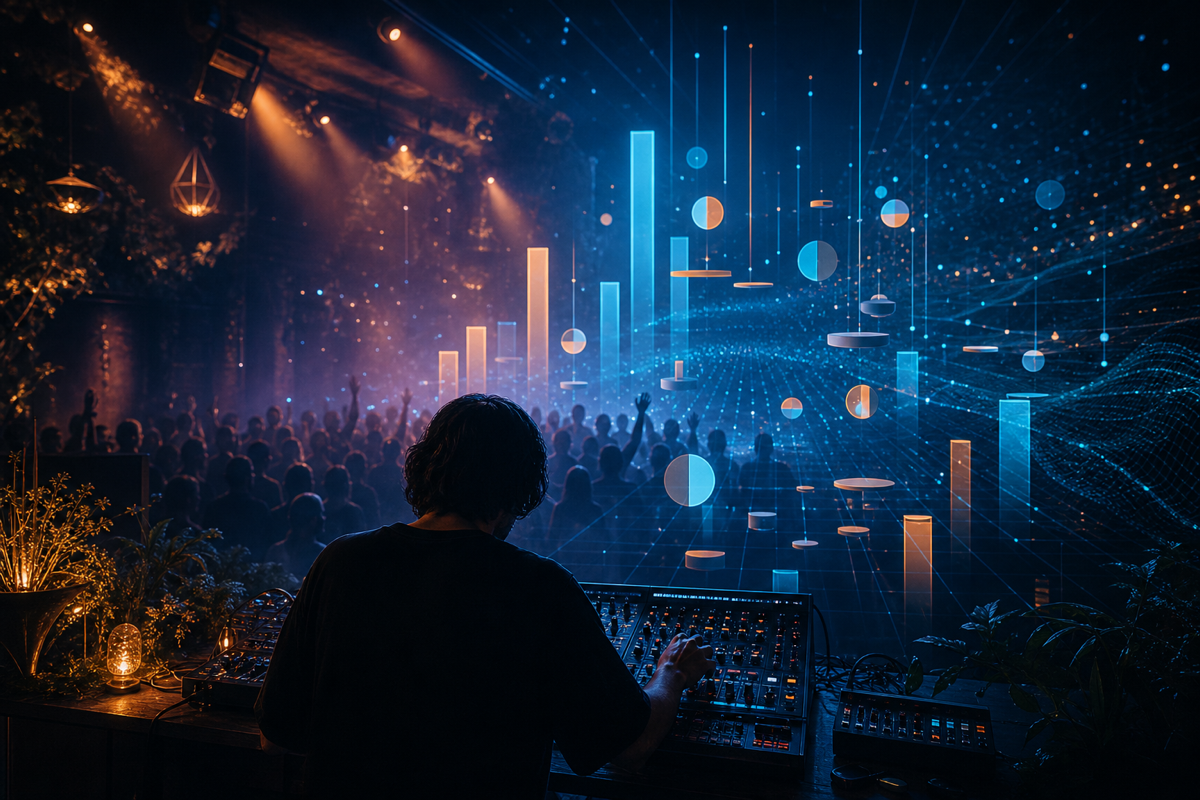
You played a 90-minute set at a warehouse in Montreal last Saturday. The recording is clean: full 360-degree capture, no clipping in the mix, the kind of extended build across the second hour that the room remembered for the rest of the night. You could upload it to SoundCloud, call it a podcast, and post the link. You have done it before. You know what you will earn from it.

VPORT pays per minute watched. If someone teleports into your set and stays for 45 minutes, they pay for 45 minutes. If they stay for the full 90, they pay for 90. You earn half of what they spend. That is the structure before any fine print.

The rest of this post is what that actually means in numbers, and who the model is built for.
Music Rights for Spatial Video: A Clearance Map Before You Publish

· 8 min read
VPORT Team

A finished spatial concert video is not automatically ready to publish. The camera operator may own the footage file while other people still control the performance, the music, recognizable appearances, or the ways the recording may be distributed.

The useful question is not "Who owns the video?" It is "Which permissions does this exact release need?" This guide turns that question into a clearance map for promoters, venue teams, and independent producers.

This is a production checklist, not legal advice. Copyright, performer, privacy, and personality-rights rules vary by country and by the facts of a project. Use a qualified lawyer for the territories where you will record and distribute.

How to Film a Club Night for Spatial Video: A Promoter Guide

· 10 min read
CEO

De School ran its closing night in November 2022. The venue is gone. What remains is a handful of clips on YouTube, shot from the crowd on phones, audio peaking into distortion. If you were there, you know what the room felt like. If you were not, you have no way to find out.

That gap is closing, but slowly. Promoters and venue operators are starting to film their nights in spatial video, and most of them are learning the same things in the wrong order: the camera choice comes first in their heads, the audio planning comes last, and the rights question shows up the morning after. This guide works through all three in the order that actually matters, from format decision through to distribution.

Your VPORT Artist Portal vs Linktree: What You Actually Get as an Independent Artist

· 7 min read
CEO

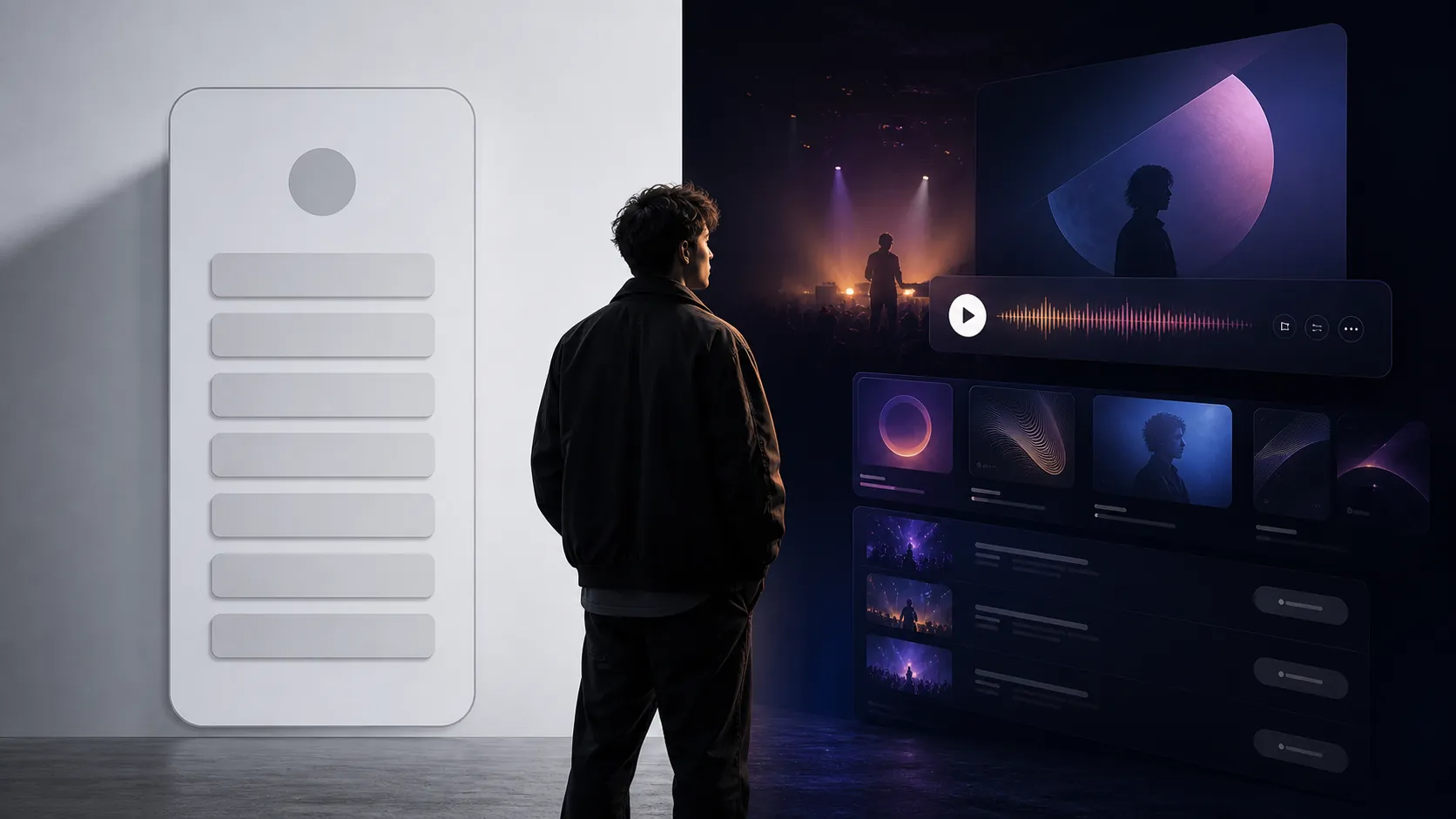
A fictional independent artist choosing between a generic link menu and a music-first artist destination

Open the link in bio of almost any independent house producer and you get the same page. A white card with six blue buttons stacked down the middle. Spotify. SoundCloud. Instagram. A booking email. A merch store that has been dead since spring. Nothing on it makes a sound. Somebody who closed a Vancouver warehouse night at 3am last weekend is represented online by a list of buttons.

That is the Linktree problem, and it is not really a software problem. Link aggregators were built to route traffic somewhere else, and an artist is not traffic. So here is the honest comparison, feature by feature. You can open a real page while you read: this is a live VPORT artist page.

Getting Paid to Teleport Fans: How Artists and Creators Earn on VPORT

· 7 min read
CEO

The live music industry has a capacity problem it does not like to talk about. Pollstar has reported for years that physical capacity is the binding constraint on the majority of headlining tours. A room holds what it holds. When a set sells out, every fan past the last ticket is simply told no, and the artist earns nothing more from a night that could have reached ten times the crowd. The electronic music economy alone is worth around $12.9 billion and still growing, and almost all of it is capped by the size of a room.

That cap is the opportunity. If a captured set can be teleported to anyone with a Vision Pro, the ceiling on a single night moves from the fire-code number to the size of the internet. The question every serious creator asks next is the honest one: how do I actually get paid for that? This is the breakdown.

The VPORT Artist Portal Is Live: Build Your Profile, Reach the Front Row

· 4 min read
CEO

It is 2am in Berlin. A melodic techno headliner is 90 minutes deep at a Kreuzberg club, the kind of room where the low end lives in your chest and nobody has glanced at a phone since midnight. That set deserves a home online that sounds as good as the room felt. As of today, it has one.

The VPORT Artist Portal is live. An eligible account can create a public artist profile, add imagery and platform links, and surface performances associated with that artist in VPORT. We built it for producers and DJs whose work deserves more context than a 30-second clip.

Virtual Concert Revenue for Artists: A Practical Evaluation Guide

· 7 min read
CEO

An anonymous electronic musician performing in a fictional hybrid venue with abstract accounting shapes

Virtual concert revenue for artists can come from ticketed streams, on-demand replays, tips, sponsorships, merchandise, or licensing. The headline number is rarely the amount that reaches the artist, though. Rights, fees, refunds, payment timing, and contract terms all affect the result.

This guide provides a practical way to evaluate an offer before you record, publish, or promote a virtual performance. It does not promise that a format or platform will generate a particular level of income.

How Artists Actually Get Paid on VPORT: Inside Creator Studio's Per-Minute Economy

· 6 min read
CEO

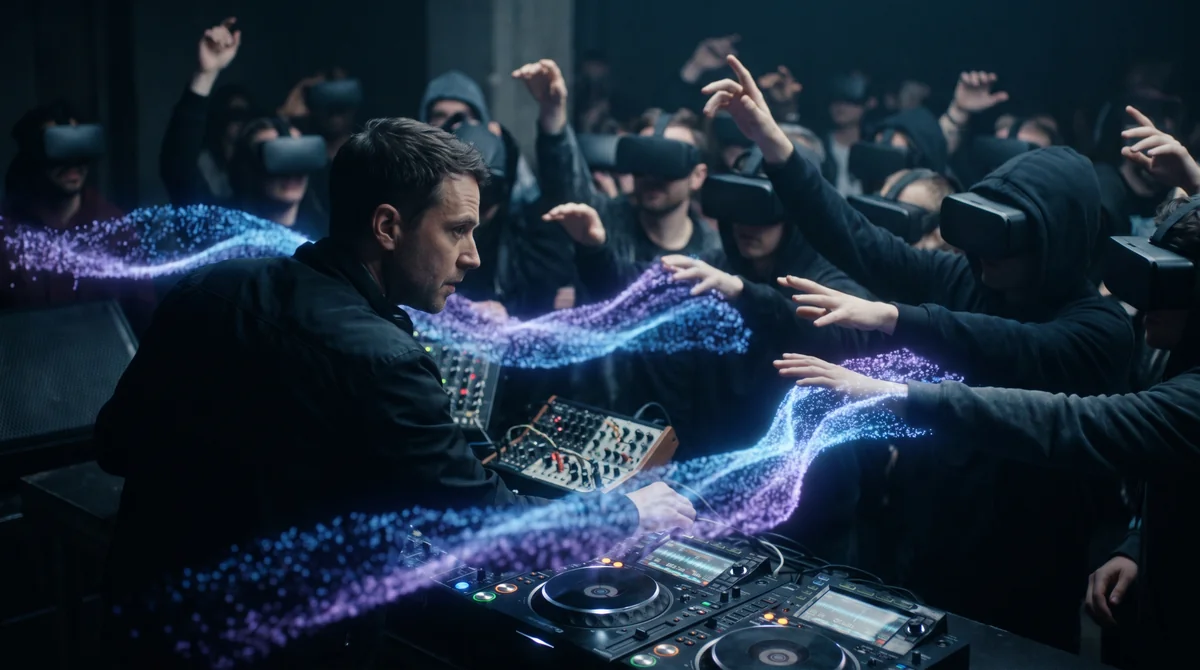
A fictional musician performing for a remote audience wearing immersive headsets

A melodic techno headliner closes a room on the Berlin canal at 6am. The low end is doing that thing where you feel it in your sternum before you hear it. The room holds maybe 600 people, and every one of them paid at the door. On a normal night that set earns once, capped by the size of the floor, and then it is gone. A few phone clips survive. The money stops the second the house lights come up.

That ceiling is the problem we built VPORT to remove. When a fan teleports into that same set on VPORT, the set keeps earning. Not once. Every minute, from anyone, anywhere, for as long as the recording lives. The question artists ask first is never about the cameras or the codecs. It is the money question: how do musicians actually make money in VR? Here is the honest answer.

Your Artist Page Goes Live July 1: What VPORT's Free Portal Means for Independent Electronic Artists

· 7 min read
CEO

If you are a DJ or a producer in 2026, your link in bio is probably a Linktree page that has not been touched since 2022. A purple gradient. A SoundCloud link that opens in a webview. A Spotify link that opens in a different webview. A booking email that someone copies into their Mail app, types one sentence, then forgets to send. The page works. It also looks like the page worked five years ago, because it did.

We built VPORT for artists who deserve better than that. On July 1, 2026, the VPORT Artist Portal goes live to the public. It is free. It has no ads. It does not upsell you to a Pro tier to remove a watermark from your own URL. We are building it because the link in bio is the most under-served piece of an artist's marketing stack, and because we want to be the company that gets it right.

The Spatial Video Artist Profile: How Immersive Capture Changes What It Means to Be a Touring Musician

· 16 min read
CEO

The economics of touring have not changed in fifty years. An artist writes music. The artist rehearses a show. The artist performs that show in a city. Then the artist flies to another city and performs the same show again. And again. Forty times. Eighty times. A hundred and twenty times if the album cycle is long enough and the demand is there. The show is the product. But it is a product that can only be sold once per night, in one room, to the number of people the fire marshal allows.